
In 2026, concrete driveway repair remains one of the most practical ways to protect curb appeal, improve safety, and extend the life of a residential surface without paying for full replacement too early. Many homeowners first notice the problem when small cracks begin to spread, the surface starts to flake, or one section of the driveway settles lower than the rest. What looks minor at first can quickly turn into a larger repair issue when water enters the concrete, temperatures fluctuate, and vehicle weight keeps stressing the same damaged areas.
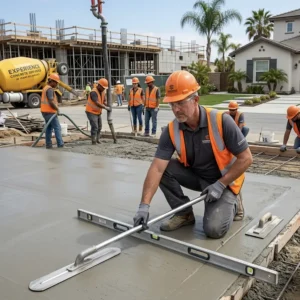
A properly repaired concrete driveway can often regain both function and appearance, but the right solution depends on the type of damage. Not every driveway needs to be torn out and replaced. In many cases, professional concrete driveway repair can address isolated cracks, surface scaling, edge deterioration, pitting, joint failure, or minor settlement before those issues turn into structural failure. The key is understanding what kind of deterioration is happening and choosing a repair method that matches the actual condition of the slab.
Common Signs Your Concrete Driveway Needs Repair
One of the most common warning signs is cracking. Hairline cracks may be cosmetic at first, but wider cracks can allow moisture to reach deeper layers below the slab. Once water gets into the base and surrounding soil, movement becomes more likely. Another frequent issue is surface spalling, where the top layer of concrete begins to chip, peel, or break down. This often happens after years of exposure to sun, moisture, traffic, and poor drainage conditions.
Homeowners also deal with uneven concrete driveway sections caused by settling soil, inadequate compaction during the original installation, or long-term water intrusion. Even a small height difference can create a trip hazard and make the property look neglected. In 2026, more property owners are also addressing driveway repairs earlier because buyers, tenants, and appraisers pay close attention to visible exterior condition. A damaged driveway can affect both usability and property perception.
What Causes Concrete Driveway Damage
Concrete is durable, but it is not indestructible. Driveways fail over time for several common reasons. Poor soil preparation is one of the biggest causes. If the base beneath the slab was not compacted correctly during installation, sections can begin to sink or shift. Water is another major factor. Improper drainage, downspout discharge, sprinkler overspray, or grading problems can slowly weaken the support under the slab and contribute to cracking and settlement.
Heavy vehicle loads can also accelerate damage, especially if the driveway was originally poured for standard passenger vehicles but now supports larger trucks, trailers, or work vans. Age matters too. As concrete gets older, repeated exposure to weather, UV radiation, moisture, tire traffic, and minor ground movement can create visible wear. In some regions, tree roots near the driveway can also lift slabs and create uneven surfaces that require targeted repair.
Repair or Replace? How to Decide in 2026
This is the question most homeowners ask first. In general, concrete driveway repair makes sense when the damage is limited, the slab is still structurally usable, and the base is mostly stable. Crack repair, joint sealing, patching, lifting, grinding, and resurfacing are all common solutions when the majority of the driveway remains sound. Repair is usually more cost-effective than replacement and can restore function quickly when performed correctly.
Replacement becomes more appropriate when the driveway has widespread failure, large broken sections, repeated movement across multiple areas, severe drainage issues, or major subgrade instability. If large portions of the slab are crumbling, separating, or continuing to settle after previous repair attempts, replacement may be the better long-term investment. The decision should be based on the actual condition of the concrete, not just the appearance of the worst visible spot.
Most Common Concrete Driveway Repair Methods
Crack filling and sealing is one of the most basic repair methods. This is often used for non-structural cracks where the goal is to prevent water intrusion and slow future deterioration. Surface patching is commonly used when parts of the driveway have chipped or worn down, especially near edges or control joints. For uneven slabs, lifting methods such as slab leveling may be used to raise sunken sections instead of removing and repouring the concrete.
Grinding can help reduce minor height differences where one slab edge sits slightly above another. Resurfacing is another option when the concrete is still largely intact but the top surface looks worn, stained, or weathered. A resurfaced driveway can improve appearance and renew the surface layer, but it only works when the existing slab is fundamentally stable. If the underlying concrete is already failing, resurfacing alone will not solve the real problem.
Why Early Repair Matters
Delaying driveway repair usually leads to a more expensive outcome. Small cracks become wider. Surface damage spreads. Water infiltration increases. Soil movement continues beneath the slab. Once deterioration advances too far, options become more limited and homeowners may be pushed toward full replacement when an earlier repair could have preserved the driveway. Timely repair also helps reduce safety risks, including trip hazards, broken edges, and unstable walking surfaces near garages, sidewalks, and entry points.
Another reason early repair matters in 2026 is cost control. Material prices, labor rates, disposal fees, and related construction costs remain important factors in home improvement planning. A targeted repair completed at the right time can often protect a driveway for years longer and postpone the need for a major reconstruction project. That makes repair a smart preventive investment, not just a cosmetic fix.
What Homeowners Should Look for in a Concrete Contractor
Not every contractor approaches concrete driveway repair the same way. A proper evaluation should include the size and pattern of the cracks, the condition of joints, signs of settlement, water flow around the driveway, and whether the damage is surface-level or structural. The best repair approach depends on diagnosis first. Homeowners should look for a contractor who explains the cause of the problem, not just the visible symptom.
Clear scope matters as well. A professional estimate should explain whether the repair includes cleaning, crack preparation, patching, leveling, joint work, surface blending, and cleanup. If color variation is possible after repair, that should be stated honestly. Concrete rarely matches perfectly when one section is repaired and another is old. A good contractor sets realistic expectations while still focusing on durability, appearance, and long-term performance.
Concrete Driveway Repair Trends in 2026
In 2026, homeowners are paying closer attention to preventive maintenance and longer-lasting exterior improvements. More people are choosing repair strategies that preserve existing concrete when possible rather than replacing full slabs too early. There is also stronger interest in clean finishes, proper drainage correction, and repair methods that reduce future cracking instead of only covering damage cosmetically. The most effective driveway repair work now combines structural thinking with visual improvement.
Another trend is better awareness of base and water issues. Property owners increasingly understand that concrete problems often begin below the surface. Repair plans that ignore drainage, soil movement, or nearby water sources tend to fail sooner. The strongest results come from addressing both the concrete itself and the conditions that caused the damage in the first place.
Final Thoughts
Concrete driveway repair in 2026 is not just about making a surface look better. It is about preserving function, reducing hazards, preventing water intrusion, and extending the life of one of the most used areas of a property. Whether the problem is cracking, settling, chipping, or general wear, the right repair done at the right time can make a major difference. For homeowners dealing with visible driveway damage, an informed inspection and a repair plan based on real slab conditions remain the best first step.